%20%20--%3E%3Csvg%20version=%221.1%22%20id=%22Layer_1%22%20xmlns=%22http://www.w3.org/2000/svg%22%20xmlns:xlink=%22http://www.w3.org/1999/xlink%22%20x=%220px%22%20y=%220px%22%20viewBox=%220%200%20790.1%20133.2%22%20style=%22enable-background:new%200%200%20790.1%20133.2;%22%20xml:space=%22preserve%22%3E%3Cstyle%20type=%22text/css%22%3E.Arched_x0020_Green%7Bfill:url(%23SVGID_1_);stroke:%23FFFFFF;stroke-width:0.25;stroke-miterlimit:1;%7D.st0%7Bfill:%232E3192;%7D.st1%7Bfill:%23297569;%7D%3C/style%3E%3ClinearGradient%20id=%22SVGID_1_%22%20gradientUnits=%22userSpaceOnUse%22%20x1=%22-14.8232%22%20y1=%22292.2134%22%20x2=%22-14.1161%22%20y2=%22291.5063%22%3E%3Cstop%20%20offset=%220%22%20style=%22stop-color:%2320AC4B%22/%3E%3Cstop%20%20offset=%220.9831%22%20style=%22stop-color:%2319361A%22/%3E%3C/linearGradient%3E%3Cpath%20class=%22st0%22%20d=%22M18.4,64.4C11.2,86,7,104.6,7,104.6s1.7-5.2,4.5-13.3C20.9,64.5,43.8,6,63.2,4.9c25.2-1.3,51.7,23.8,51.7,23.8S93.9,0.6,62.3,0c-9.4-0.2-18,8.9-25.6,21.8C19.6,17.7,6.2,19,1.6,26.7C-3.4,35.3,3.6,49.6,18.4,64.4z%20M15,31.5c2.9-4.8,9.9-6.6,19.4-5.6c-4.7,8.7-8.9,18.8-12.6,28.7C14.6,45.4,11.8,37,15,31.5z%22/%3E%3Cpath%20class=%22st0%22%20d=%22M247,53.9c-2.2-0.3-6.8-0.5-13.8-0.5c-10,0-17,3.6-21,10.9c-2.6-4.9-6.4-8-11.4-9.5c-3.1-0.9-8.1-1.4-15.1-1.4c-17.9,0-26.8,9.3-26.8,27.9v29.3h8.7l0.1-29.5c0-7.4,1.8-12.5,5.3-15.3c3.2-2.6,8.5-3.9,16.1-3.9c7.4,0,12.5,2.1,15.2,6.3c2.2,3.3,3.3,8.9,3.3,16.8v25.6h9.1v-25c0-8.6,1.3-14.6,4-18c3-3.9,8.7-5.8,17-5.8c12.9,0,19.3,6.4,19.3,19.3l0.1,29.5h8.7V81.3C265.8,65.1,259.5,56,247,53.9z%22/%3E%3Cpath%20class=%22st0%22%20d=%22M328.3,100.3c-1.9,0.8-5.2,1.1-9.8,1.1h-16.4c-5.3,0-9-0.6-11.3-1.8c-2.2-1.2-3.6-3.3-4.2-6.2c-0.4-1.9-0.6-5.8-0.6-11.7c0-8,0.8-13.1,2.4-15.2c2.1-2.8,6.9-4.2,14.6-4.2h15.4c9.7,0,14.6,2.8,14.5,8.5h10c0-7.3-2.3-12.3-7-14.9c-3.4-2-9.2-2.9-17.2-2.9H303c-7.9,0-13.7,0.9-17.5,2.8c-3.8,1.8-6.3,5-7.6,9.4c-1.1,3.6-1.6,9.5-1.6,17.7c0,10.8,1.5,18,4.6,21.6c3.4,4.1,10.4,6.1,21.1,6.1h16.9c8.2,0,13.9-0.9,17.2-2.8c4.6-2.6,6.9-7.7,6.9-15.2h-10C333.1,96.5,331.5,99.1,328.3,100.3z%22/%3E%3Cpath%20class=%22st0%22%20d=%22M430,57.1c-3.7-2.4-9.6-3.7-17.6-3.7h-38.9v57.2h40.3c9.4,0,15.8-1.8,19.1-5.5c3.1-3.4,4.6-9.8,4.6-19.4c0-8.6-0.3-14.6-1-17.9C435.5,62.8,433.3,59.2,430,57.1z%20M427.8,85.5c0,6.7-0.8,11.1-2.5,13.1c-2,2.3-6.2,3.4-12.7,3.4h-29.2V62h28.5c6.4,0,10.6,1.1,12.8,3.4c2.2,2.2,3.2,6.5,3.2,12.9V85.5z%22/%3E%3Cpath%20class=%22st0%22%20d=%22M501.9,101.1c-2.1,0.6-6.8,1-14,1h-12c-7.9,0-12.9-0.8-15.1-2.4c-2.8-2-4.1-6.8-4.1-14.4h38.8v-8.3h-38.8c0.1-6.7,1.5-11,4.3-12.8c2.3-1.5,7.3-2.2,15.1-2.2h11.7c7,0,11.6,0.3,13.9,1c3.5,1.1,5.2,3.5,5.2,7.1h9.2c0-5.7-2.1-9.8-6.2-12.5c-4.4-2.9-11.7-4.3-21.7-4.3h-12.7c-8.4,0-14.5,0.8-18.2,2.4c-3.9,1.6-6.6,4.6-7.9,9c-1.2,3.7-1.8,9.8-1.8,18.4c0,8,0.7,13.8,2,17.5c1.5,4,4.3,6.7,8.2,8.2c3.7,1.4,9.5,2,17.5,2h12.7c10.6,0,17.6-0.9,21.2-2.6c4.7-2.2,7.1-7,7.1-14.3H507C507.1,97.6,505.4,100,501.9,101.1z%22/%3E%3Cpath%20class=%22st0%22%20d=%22M588.7,110.6V77.5c0-7.8-2.2-13.8-6.6-17.9c-4.4-4.1-10.6-6.2-18.5-6.2h-12c-7.9,0-14,2.1-18.5,6.2c-4.4,4.1-6.6,10.1-6.6,17.9v33.1h9.7V76.2c0-4.5,1.4-8,4.2-10.6c2.8-2.5,6.5-3.8,11.1-3.8h12c4.6,0,8.3,1.3,11.2,3.8c2.8,2.5,4.2,6.1,4.2,10.6v34.4H588.7z%22/%3E%3Cpolygon%20class=%22st0%22%20points=%22596.1,62.1%20621.8,62.1%20621.8,110.6%20631.5,110.6%20631.5,62.1%20657.3,62.1%20657.3,53.4%20596.1,53.4%20%22/%3E%3Cpath%20class=%22st0%22%20d=%22M704.6,53.4h-14.5c-9.7,0-16.4,1.4-19.8,4.2c-4,3.2-6,9.5-6,19v34h9.7V85.4h46.7v25.2h9.7v-34c0-9.4-2-15.7-6.1-18.9C720.7,54.8,714.2,53.4,704.6,53.4z%20M674,76.7c0.1-6.4,1.4-10.5,4-12.3c2.1-1.5,6.5-2.3,13.4-2.3h11.7c7,0,11.5,0.7,13.6,2.2c2.6,1.8,4,5.9,4,12.4H674z%22/%3E%3Cpolygon%20class=%22st0%22%20points=%22790.1,101.9%20751.4,101.9%20751.4,53.4%20741.6,53.4%20741.6,110.6%20790.1,110.6%20%22/%3E%3Cpath%20class=%22st0%22%20d=%22M86.7,96.7C68.1,91,61.9,85.8,60.3,89c-1.7,3.3,2.4,7.8,19.6,14.5c-13.3,12.7-25.2,20.7-27.1,18.1c-4.7-6.8,12.9-29.2-1.6-39.3C36.8,72,16.6,113.1,6.6,111.3c11,9,32.9-29.6,41.4-21.9c8.4,7.7-10.6,37.4-1.9,43.5c3.9,2.7,21.5-9.8,38.6-27.5c22.5,7.8,41,7.8,46.5-1.5c5.1-8.6-2-23-16.9-37.8c5.9-11.6,8.5-22.7,4.9-31.2C123,51.9,104.9,77.6,86.7,96.7z%20M120.6,94.3c-3.7,6.2-14.3,7.3-28,4.1c-0.4-0.1-0.7-0.3-1.2-0.4c8-9,15.5-18.9,20.9-28.5C120.6,79.4,124,88.5,120.6,94.3z%22/%3E%3Cpath%20class=%22st1%22%20d=%22M114.4,37.1c0,0-10.8,0.7-29-8.4c-18.3-9.1-22.1-20-22.1-20s11.5,10.2,24,16.9C99.7,32.3,114.4,37.1,114.4,37.1z%22/%3E%3C/svg%3E "MC Dental Logo")






Causes, Removal and Prevention
Tartar (Dental Calculus)
- Tartar, also called dental calculus, is hardened plaque that builds up on your teeth, including along and below the gum line. Once it has formed, brushing and flossing usually cannot remove it completely.
- It can develop when plaque is not removed thoroughly, with factors such as smoking, dry mouth and crowded teeth making build-up more likely.
- If tartar is not removed, it can make it easier for plaque to collect around your teeth and gums. Plaque can lead to gum inflammation, bad breath and tooth decay. In some people, untreated gum inflammation can develop into more serious gum disease.
- A dentist can assess your teeth and gums and remove tartar with a professional scale and clean (MC Dental’s $239 New Patient Offer includes this).
- Regular brushing, flossing and professional dental care can help reduce plaque and tartar build-up and support healthy teeth and gums.
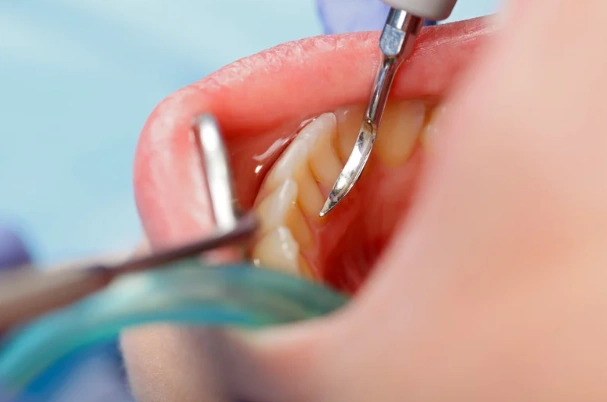
What is the difference between plaque and tartar?
Plaque is the soft, sticky stage. Tartar is what plaque becomes when it is left in place and hardens. The difference matters, because it decides who can remove it: you can handle plaque at home, but tartar needs your dentist.
| Feature | Plaque | Tartar (dental calculus) |
|---|---|---|
| What it is | Soft film of bacteria | Hardened, calcified plaque |
| How it feels | Soft and fuzzy | Hard and crust-like |
| Colour | Colourless to pale yellow | Yellow or brown, darkens over time |
| How fast it forms | Every day | Within days of plaque being left behind |
| How to remove it | Brushing and flossing at home | Established tartar usually needs to be removed by a dental professional |

Why do I get tartar on my teeth?
Tartar forms wherever plaque is regularly missed. Common reasons include brushing less than twice a day, skipping the spaces between teeth, frequent sugary food and drinks, smoking, dry mouth and crowded teeth or braces that make cleaning harder. Some people simply mineralise plaque faster than others because of the make-up of their saliva. That is why two people with the same brushing habits can build up very different amounts of tartar.

How do I know if I have tartar teeth?
Tartar may look like a hard yellow or brown deposit near the gum line. It is often noticed behind the lower front teeth or on the outside of the upper back teeth. You may also notice roughness, floss catching in the same place, bad breath, or gums that look red or bleed easily.Dark brown or black material near the gum line may be tartar, but it could also be staining, tooth decay, or an old filling. Colour alone cannot tell you what it is. A dental professional can check it safely.

Can I remove tartar at home?
No. Brushing and flossing can remove soft plaque, but they usually cannot remove tartar once it has hardened. Do not use household tools or online tartar scrapers. They can cut your gums or damage your teeth, fillings, or crowns.Vinegar, lemon juice, and other acidic remedies do not safely dissolve tartar. They can wear away the protective enamel on your teeth. Baking soda does not remove bonded tartar either.If something breaks off while you are eating, do not pick or scrape at the area. It may be tartar, but it could also be part of a tooth, filling, or crown. Arrange a dental check, especially if you have pain, swelling, bleeding, sensitivity, or a sharp edge.
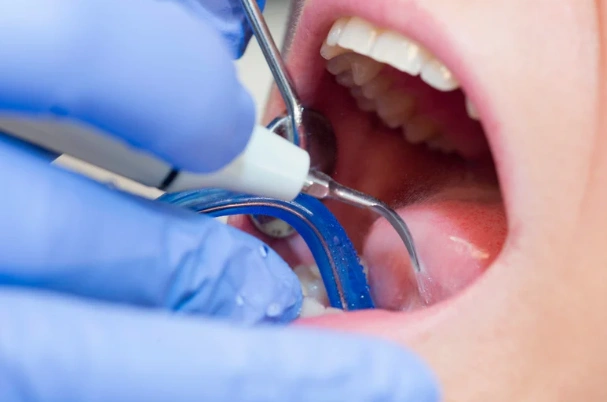
How do dentists remove tartar?
During a professional dental scaling, performed as part of a check-up and clean, your dental may use an ultrasonic scaler and small hand instruments to remove tartar from the teeth. You may feel water spray, vibration, or mild sensitivity during the appointment. Polishing may be used to remove some surface staining and leave the teeth feeling smoother. Polishing does not stop plaque from coming back. Daily brushing and cleaning between your teeth are still important.If tartar is below the gum line, your dentist may need to check your gums more closely. Some people need a deeper gum clean, which may take more than one appointment.

What happens if tartar is not removed?
Tartar constantly holds bacteria against your gums and enamel. Over time it can cause gingivitis, which can progress to periodontitis, the more serious gum disease that damages the bone supporting your teeth. It also raises your risk of tooth decay, gum recession, staining and ongoing bad breath. The earlier tartar is removed, the simpler the treatment.

How do I stop tartar coming back?
Tartar prevention is plaque removal. Brush twice a day with fluoride toothpaste, clean between your teeth daily, drink water after meals and avoid smoking. Our guide on how to remove plaque from teeth covers the full routine. Many people have a dental check-up every 6 to 12 months, but the right timing depends on your teeth and gums. Some people need more frequent visits because they build up tartar quickly or have gum disease, dry mouth, braces, diabetes, or other risk factors. Your dentist can recommend the best interval for you.
6 dental clinics, open 7 days (6 Days at Brighton)
Book Your Teeth Clean Appointment
Keep tartar off your teeth for a healthier smile. With our six locations across Melbourne, a professional clean is always nearby.
Phone the clinic on
(03) 8608 8968.
Or select a Melbourne clinic below to book.
FAQ – Tartar
No. Vinegar, lemon juice, and other acids can damage tooth enamel and do not safely dissolve tartar. Baking soda does not remove tartar that is bonded to the tooth. Do not scrape tartar yourself. A dental professional can remove it safely and check whether there are any gum problems underneath.
Tartar below the gum line can look brown or black, but not every black mark is tartar. It could also be staining, tooth decay, or an old filling. Do not try to remove it yourself. Arrange a dental check-up, especially if the area is new, painful, swollen, bleeding, or near a loose tooth.
No. A professional clean should not loosen a healthy tooth. Teeth can feel slightly different once heavy tartar is gone, because the hard crust that filled the gaps has been removed. It is untreated gum disease that loosens teeth, not the clean.. If a tooth is loose, becoming more mobile, painful, or swollen, arrange a dental appointment promptly.
A hard piece that breaks off may be tartar, but it could also be part of a tooth, filling, or crown. Do not pick or scrape at the area. Keep the piece if you can and arrange a dental check properly.
Yes. Saliva composition, dry mouth, smoking and crowded teeth all speed up tartar formation. If you build it quickly, your dentist may recommend cleans more often than every six months.