%20%20--%3E%3Csvg%20version=%221.1%22%20id=%22Layer_1%22%20xmlns=%22http://www.w3.org/2000/svg%22%20xmlns:xlink=%22http://www.w3.org/1999/xlink%22%20x=%220px%22%20y=%220px%22%20viewBox=%220%200%20790.1%20133.2%22%20style=%22enable-background:new%200%200%20790.1%20133.2;%22%20xml:space=%22preserve%22%3E%3Cstyle%20type=%22text/css%22%3E.Arched_x0020_Green%7Bfill:url(%23SVGID_1_);stroke:%23FFFFFF;stroke-width:0.25;stroke-miterlimit:1;%7D.st0%7Bfill:%232E3192;%7D.st1%7Bfill:%23297569;%7D%3C/style%3E%3ClinearGradient%20id=%22SVGID_1_%22%20gradientUnits=%22userSpaceOnUse%22%20x1=%22-14.8232%22%20y1=%22292.2134%22%20x2=%22-14.1161%22%20y2=%22291.5063%22%3E%3Cstop%20%20offset=%220%22%20style=%22stop-color:%2320AC4B%22/%3E%3Cstop%20%20offset=%220.9831%22%20style=%22stop-color:%2319361A%22/%3E%3C/linearGradient%3E%3Cpath%20class=%22st0%22%20d=%22M18.4,64.4C11.2,86,7,104.6,7,104.6s1.7-5.2,4.5-13.3C20.9,64.5,43.8,6,63.2,4.9c25.2-1.3,51.7,23.8,51.7,23.8S93.9,0.6,62.3,0c-9.4-0.2-18,8.9-25.6,21.8C19.6,17.7,6.2,19,1.6,26.7C-3.4,35.3,3.6,49.6,18.4,64.4z%20M15,31.5c2.9-4.8,9.9-6.6,19.4-5.6c-4.7,8.7-8.9,18.8-12.6,28.7C14.6,45.4,11.8,37,15,31.5z%22/%3E%3Cpath%20class=%22st0%22%20d=%22M247,53.9c-2.2-0.3-6.8-0.5-13.8-0.5c-10,0-17,3.6-21,10.9c-2.6-4.9-6.4-8-11.4-9.5c-3.1-0.9-8.1-1.4-15.1-1.4c-17.9,0-26.8,9.3-26.8,27.9v29.3h8.7l0.1-29.5c0-7.4,1.8-12.5,5.3-15.3c3.2-2.6,8.5-3.9,16.1-3.9c7.4,0,12.5,2.1,15.2,6.3c2.2,3.3,3.3,8.9,3.3,16.8v25.6h9.1v-25c0-8.6,1.3-14.6,4-18c3-3.9,8.7-5.8,17-5.8c12.9,0,19.3,6.4,19.3,19.3l0.1,29.5h8.7V81.3C265.8,65.1,259.5,56,247,53.9z%22/%3E%3Cpath%20class=%22st0%22%20d=%22M328.3,100.3c-1.9,0.8-5.2,1.1-9.8,1.1h-16.4c-5.3,0-9-0.6-11.3-1.8c-2.2-1.2-3.6-3.3-4.2-6.2c-0.4-1.9-0.6-5.8-0.6-11.7c0-8,0.8-13.1,2.4-15.2c2.1-2.8,6.9-4.2,14.6-4.2h15.4c9.7,0,14.6,2.8,14.5,8.5h10c0-7.3-2.3-12.3-7-14.9c-3.4-2-9.2-2.9-17.2-2.9H303c-7.9,0-13.7,0.9-17.5,2.8c-3.8,1.8-6.3,5-7.6,9.4c-1.1,3.6-1.6,9.5-1.6,17.7c0,10.8,1.5,18,4.6,21.6c3.4,4.1,10.4,6.1,21.1,6.1h16.9c8.2,0,13.9-0.9,17.2-2.8c4.6-2.6,6.9-7.7,6.9-15.2h-10C333.1,96.5,331.5,99.1,328.3,100.3z%22/%3E%3Cpath%20class=%22st0%22%20d=%22M430,57.1c-3.7-2.4-9.6-3.7-17.6-3.7h-38.9v57.2h40.3c9.4,0,15.8-1.8,19.1-5.5c3.1-3.4,4.6-9.8,4.6-19.4c0-8.6-0.3-14.6-1-17.9C435.5,62.8,433.3,59.2,430,57.1z%20M427.8,85.5c0,6.7-0.8,11.1-2.5,13.1c-2,2.3-6.2,3.4-12.7,3.4h-29.2V62h28.5c6.4,0,10.6,1.1,12.8,3.4c2.2,2.2,3.2,6.5,3.2,12.9V85.5z%22/%3E%3Cpath%20class=%22st0%22%20d=%22M501.9,101.1c-2.1,0.6-6.8,1-14,1h-12c-7.9,0-12.9-0.8-15.1-2.4c-2.8-2-4.1-6.8-4.1-14.4h38.8v-8.3h-38.8c0.1-6.7,1.5-11,4.3-12.8c2.3-1.5,7.3-2.2,15.1-2.2h11.7c7,0,11.6,0.3,13.9,1c3.5,1.1,5.2,3.5,5.2,7.1h9.2c0-5.7-2.1-9.8-6.2-12.5c-4.4-2.9-11.7-4.3-21.7-4.3h-12.7c-8.4,0-14.5,0.8-18.2,2.4c-3.9,1.6-6.6,4.6-7.9,9c-1.2,3.7-1.8,9.8-1.8,18.4c0,8,0.7,13.8,2,17.5c1.5,4,4.3,6.7,8.2,8.2c3.7,1.4,9.5,2,17.5,2h12.7c10.6,0,17.6-0.9,21.2-2.6c4.7-2.2,7.1-7,7.1-14.3H507C507.1,97.6,505.4,100,501.9,101.1z%22/%3E%3Cpath%20class=%22st0%22%20d=%22M588.7,110.6V77.5c0-7.8-2.2-13.8-6.6-17.9c-4.4-4.1-10.6-6.2-18.5-6.2h-12c-7.9,0-14,2.1-18.5,6.2c-4.4,4.1-6.6,10.1-6.6,17.9v33.1h9.7V76.2c0-4.5,1.4-8,4.2-10.6c2.8-2.5,6.5-3.8,11.1-3.8h12c4.6,0,8.3,1.3,11.2,3.8c2.8,2.5,4.2,6.1,4.2,10.6v34.4H588.7z%22/%3E%3Cpolygon%20class=%22st0%22%20points=%22596.1,62.1%20621.8,62.1%20621.8,110.6%20631.5,110.6%20631.5,62.1%20657.3,62.1%20657.3,53.4%20596.1,53.4%20%22/%3E%3Cpath%20class=%22st0%22%20d=%22M704.6,53.4h-14.5c-9.7,0-16.4,1.4-19.8,4.2c-4,3.2-6,9.5-6,19v34h9.7V85.4h46.7v25.2h9.7v-34c0-9.4-2-15.7-6.1-18.9C720.7,54.8,714.2,53.4,704.6,53.4z%20M674,76.7c0.1-6.4,1.4-10.5,4-12.3c2.1-1.5,6.5-2.3,13.4-2.3h11.7c7,0,11.5,0.7,13.6,2.2c2.6,1.8,4,5.9,4,12.4H674z%22/%3E%3Cpolygon%20class=%22st0%22%20points=%22790.1,101.9%20751.4,101.9%20751.4,53.4%20741.6,53.4%20741.6,110.6%20790.1,110.6%20%22/%3E%3Cpath%20class=%22st0%22%20d=%22M86.7,96.7C68.1,91,61.9,85.8,60.3,89c-1.7,3.3,2.4,7.8,19.6,14.5c-13.3,12.7-25.2,20.7-27.1,18.1c-4.7-6.8,12.9-29.2-1.6-39.3C36.8,72,16.6,113.1,6.6,111.3c11,9,32.9-29.6,41.4-21.9c8.4,7.7-10.6,37.4-1.9,43.5c3.9,2.7,21.5-9.8,38.6-27.5c22.5,7.8,41,7.8,46.5-1.5c5.1-8.6-2-23-16.9-37.8c5.9-11.6,8.5-22.7,4.9-31.2C123,51.9,104.9,77.6,86.7,96.7z%20M120.6,94.3c-3.7,6.2-14.3,7.3-28,4.1c-0.4-0.1-0.7-0.3-1.2-0.4c8-9,15.5-18.9,20.9-28.5C120.6,79.4,124,88.5,120.6,94.3z%22/%3E%3Cpath%20class=%22st1%22%20d=%22M114.4,37.1c0,0-10.8,0.7-29-8.4c-18.3-9.1-22.1-20-22.1-20s11.5,10.2,24,16.9C99.7,32.3,114.4,37.1,114.4,37.1z%22/%3E%3C/svg%3E "MC Dental Logo")







A Guide for you at home & at the dentist
How to Remove Plaque from Teeth
- Plaque on teeth is a soft, sticky film of bacteria that forms every day. You can remove it at home with good brushing and flossing.
- Brush twice a day for two minutes with fluoride toothpaste and a soft toothbrush, and clean between your teeth daily.
- Plaque you miss starts to harden into tartar (calculus) within days.
- Tartar cannot be brushed away. Only a dentist can remove it, with professional dental scaling.
- A check up and clean every six months keeps plaque and tartar under control.
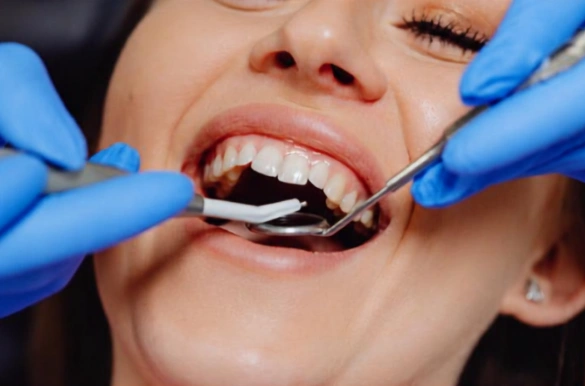
What is plaque on teeth?
Plaque is a soft, sticky film of bacteria that builds up on your teeth every day. The bacteria feed on sugars from your food and drinks, and they produce acids that attack tooth enamel and irritate your gums. Everyone gets plaque, even with a healthy diet. You can often feel it: when your teeth feel fuzzy instead of smooth, that is plaque. The good news is that fresh plaque is soft, so you can remove it yourself with the right daily routine.

How do I remove plaque from my teeth at home?
Follow these steps every day:
- Brush twice a day for two minutes. Use a soft toothbrush and fluoride toothpaste. Hold the brush at a 45 degree angle to the gum line and use small, gentle circles.
- Cover every surface. Outside, inside and chewing surfaces, plus the back teeth where plaque hides.
- Clean between your teeth once a day. Use floss or interdental brushes. Brushing alone cannot reach the sides of your teeth.
- Consider an electric toothbrush. The built-in timer and consistent motion make thorough brushing easier.
- Add an alcohol-free mouthwash if you wish. It can help reduce bacteria, but it is an extra step, not a substitute for brushing and flossing.
- Help your mouth between cleans. Drink water after meals, limit sugary snacks and soft drinks, and avoid smoking.
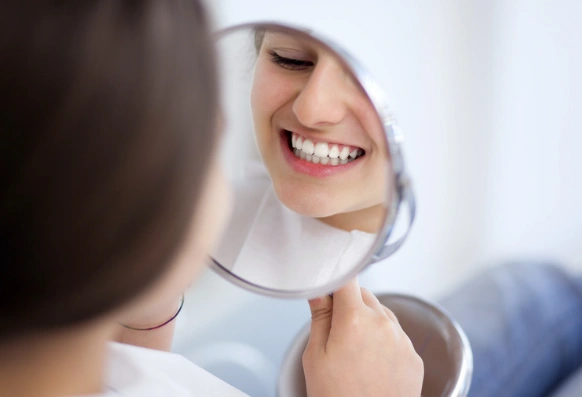
How do I know if I still have plaque on my teeth?
Run your tongue over your teeth. A fuzzy or rough feeling means plaque is present. Other signs include a pale yellow film near the gum line, gums that bleed when you brush or floss, and bad breath. If you want to check your technique, plaque disclosing tablets from the pharmacy stain leftover plaque a bright colour so you can see the spots you miss.

What happens if I do not remove plaque?
Plaque that stays on your teeth starts to harden within days, as minerals in your saliva turn it into tartar, also called calculus. Tartar is a hard, yellow or brown crust that bonds to the tooth, often near the gum line. It irritates your gums and can lead to gingivitis, bad breath, tooth decay and, over time, more serious gum disease. And only a dentist can remove tartar.

Does my diet affect plaque on teeth?
Plaque bacteria feed on sugar, so how often you snack matters as much as how much. Frequent sugary snacks and soft drinks give bacteria a constant food supply, and your saliva never gets time to recover between acid attacks. Simple swaps help: water instead of soft drink, cheese or nuts instead of sweet snacks, and keep treats to mealtimes rather than grazing through the day.
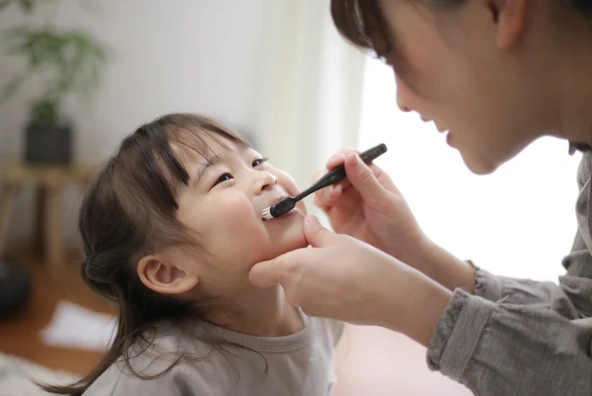
How do I remove plaque from my children’s teeth?
Children build up plaque just like adults, and baby teeth need the same daily care. Brush their teeth for them until about age eight, when most children develop the coordination to do it well themselves. Use a small soft toothbrush and a child-strength fluoride toothpaste, and make brushing a twice-daily routine from the first tooth. Regular visits to our children’s dentistry team keep small problems small, and eligible families can use the Child Dental Benefits Schedule to cover check-ups and cleans.
6 dental clinics, open 7 days (6 Days at Brighton)
Book Your Check Up and Clean Appointment
Keep plaque off your teeth for good. With our six locations across Melbourne, a professional clean is always nearby.
Phone the clinic on
(03) 8608 8968.
Or select a Melbourne clinic below to book.
FAQ – How To Remove Plaque from Teeth
Mouthwash can help reduce the bacteria that form plaque, but it cannot scrub plaque off. Only brushing and cleaning between your teeth physically remove it.
That area sits next to major saliva ducts. Saliva carries the minerals that harden plaque, so tartar forms there first for most people.
Yes. Plaque bacteria turn sugar into acid, and that acid softens tooth enamel. Repeated acid attacks create the holes we call cavities, which is why daily plaque removal protects you from decay as well as gum problems.
It can. The bacteria in plaque release unpleasant gases as they break down food. If your breath does not improve with brushing, flossing and cleaning your tongue, book a check up so we can find the cause.
A little, between brushes. Chewing boosts saliva, which washes away food and neutralises acid. It does not remove the plaque film itself, so it never replaces brushing and flossing.
No. Any fluoride toothpaste works when paired with good technique. It is two minutes of thorough brushing that removes plaque, not the brand on the tube.
Yes. Brackets, wires and aligner trays give plaque extra places to hide. Clean around brackets carefully, brush before aligners go back in, and keep up regular professional cleans during treatment.