%20%20--%3E%3Csvg%20version=%221.1%22%20id=%22Layer_1%22%20xmlns=%22http://www.w3.org/2000/svg%22%20xmlns:xlink=%22http://www.w3.org/1999/xlink%22%20x=%220px%22%20y=%220px%22%20viewBox=%220%200%20790.1%20133.2%22%20style=%22enable-background:new%200%200%20790.1%20133.2;%22%20xml:space=%22preserve%22%3E%3Cstyle%20type=%22text/css%22%3E.Arched_x0020_Green%7Bfill:url(%23SVGID_1_);stroke:%23FFFFFF;stroke-width:0.25;stroke-miterlimit:1;%7D.st0%7Bfill:%232E3192;%7D.st1%7Bfill:%23297569;%7D%3C/style%3E%3ClinearGradient%20id=%22SVGID_1_%22%20gradientUnits=%22userSpaceOnUse%22%20x1=%22-14.8232%22%20y1=%22292.2134%22%20x2=%22-14.1161%22%20y2=%22291.5063%22%3E%3Cstop%20%20offset=%220%22%20style=%22stop-color:%2320AC4B%22/%3E%3Cstop%20%20offset=%220.9831%22%20style=%22stop-color:%2319361A%22/%3E%3C/linearGradient%3E%3Cpath%20class=%22st0%22%20d=%22M18.4,64.4C11.2,86,7,104.6,7,104.6s1.7-5.2,4.5-13.3C20.9,64.5,43.8,6,63.2,4.9c25.2-1.3,51.7,23.8,51.7,23.8S93.9,0.6,62.3,0c-9.4-0.2-18,8.9-25.6,21.8C19.6,17.7,6.2,19,1.6,26.7C-3.4,35.3,3.6,49.6,18.4,64.4z%20M15,31.5c2.9-4.8,9.9-6.6,19.4-5.6c-4.7,8.7-8.9,18.8-12.6,28.7C14.6,45.4,11.8,37,15,31.5z%22/%3E%3Cpath%20class=%22st0%22%20d=%22M247,53.9c-2.2-0.3-6.8-0.5-13.8-0.5c-10,0-17,3.6-21,10.9c-2.6-4.9-6.4-8-11.4-9.5c-3.1-0.9-8.1-1.4-15.1-1.4c-17.9,0-26.8,9.3-26.8,27.9v29.3h8.7l0.1-29.5c0-7.4,1.8-12.5,5.3-15.3c3.2-2.6,8.5-3.9,16.1-3.9c7.4,0,12.5,2.1,15.2,6.3c2.2,3.3,3.3,8.9,3.3,16.8v25.6h9.1v-25c0-8.6,1.3-14.6,4-18c3-3.9,8.7-5.8,17-5.8c12.9,0,19.3,6.4,19.3,19.3l0.1,29.5h8.7V81.3C265.8,65.1,259.5,56,247,53.9z%22/%3E%3Cpath%20class=%22st0%22%20d=%22M328.3,100.3c-1.9,0.8-5.2,1.1-9.8,1.1h-16.4c-5.3,0-9-0.6-11.3-1.8c-2.2-1.2-3.6-3.3-4.2-6.2c-0.4-1.9-0.6-5.8-0.6-11.7c0-8,0.8-13.1,2.4-15.2c2.1-2.8,6.9-4.2,14.6-4.2h15.4c9.7,0,14.6,2.8,14.5,8.5h10c0-7.3-2.3-12.3-7-14.9c-3.4-2-9.2-2.9-17.2-2.9H303c-7.9,0-13.7,0.9-17.5,2.8c-3.8,1.8-6.3,5-7.6,9.4c-1.1,3.6-1.6,9.5-1.6,17.7c0,10.8,1.5,18,4.6,21.6c3.4,4.1,10.4,6.1,21.1,6.1h16.9c8.2,0,13.9-0.9,17.2-2.8c4.6-2.6,6.9-7.7,6.9-15.2h-10C333.1,96.5,331.5,99.1,328.3,100.3z%22/%3E%3Cpath%20class=%22st0%22%20d=%22M430,57.1c-3.7-2.4-9.6-3.7-17.6-3.7h-38.9v57.2h40.3c9.4,0,15.8-1.8,19.1-5.5c3.1-3.4,4.6-9.8,4.6-19.4c0-8.6-0.3-14.6-1-17.9C435.5,62.8,433.3,59.2,430,57.1z%20M427.8,85.5c0,6.7-0.8,11.1-2.5,13.1c-2,2.3-6.2,3.4-12.7,3.4h-29.2V62h28.5c6.4,0,10.6,1.1,12.8,3.4c2.2,2.2,3.2,6.5,3.2,12.9V85.5z%22/%3E%3Cpath%20class=%22st0%22%20d=%22M501.9,101.1c-2.1,0.6-6.8,1-14,1h-12c-7.9,0-12.9-0.8-15.1-2.4c-2.8-2-4.1-6.8-4.1-14.4h38.8v-8.3h-38.8c0.1-6.7,1.5-11,4.3-12.8c2.3-1.5,7.3-2.2,15.1-2.2h11.7c7,0,11.6,0.3,13.9,1c3.5,1.1,5.2,3.5,5.2,7.1h9.2c0-5.7-2.1-9.8-6.2-12.5c-4.4-2.9-11.7-4.3-21.7-4.3h-12.7c-8.4,0-14.5,0.8-18.2,2.4c-3.9,1.6-6.6,4.6-7.9,9c-1.2,3.7-1.8,9.8-1.8,18.4c0,8,0.7,13.8,2,17.5c1.5,4,4.3,6.7,8.2,8.2c3.7,1.4,9.5,2,17.5,2h12.7c10.6,0,17.6-0.9,21.2-2.6c4.7-2.2,7.1-7,7.1-14.3H507C507.1,97.6,505.4,100,501.9,101.1z%22/%3E%3Cpath%20class=%22st0%22%20d=%22M588.7,110.6V77.5c0-7.8-2.2-13.8-6.6-17.9c-4.4-4.1-10.6-6.2-18.5-6.2h-12c-7.9,0-14,2.1-18.5,6.2c-4.4,4.1-6.6,10.1-6.6,17.9v33.1h9.7V76.2c0-4.5,1.4-8,4.2-10.6c2.8-2.5,6.5-3.8,11.1-3.8h12c4.6,0,8.3,1.3,11.2,3.8c2.8,2.5,4.2,6.1,4.2,10.6v34.4H588.7z%22/%3E%3Cpolygon%20class=%22st0%22%20points=%22596.1,62.1%20621.8,62.1%20621.8,110.6%20631.5,110.6%20631.5,62.1%20657.3,62.1%20657.3,53.4%20596.1,53.4%20%22/%3E%3Cpath%20class=%22st0%22%20d=%22M704.6,53.4h-14.5c-9.7,0-16.4,1.4-19.8,4.2c-4,3.2-6,9.5-6,19v34h9.7V85.4h46.7v25.2h9.7v-34c0-9.4-2-15.7-6.1-18.9C720.7,54.8,714.2,53.4,704.6,53.4z%20M674,76.7c0.1-6.4,1.4-10.5,4-12.3c2.1-1.5,6.5-2.3,13.4-2.3h11.7c7,0,11.5,0.7,13.6,2.2c2.6,1.8,4,5.9,4,12.4H674z%22/%3E%3Cpolygon%20class=%22st0%22%20points=%22790.1,101.9%20751.4,101.9%20751.4,53.4%20741.6,53.4%20741.6,110.6%20790.1,110.6%20%22/%3E%3Cpath%20class=%22st0%22%20d=%22M86.7,96.7C68.1,91,61.9,85.8,60.3,89c-1.7,3.3,2.4,7.8,19.6,14.5c-13.3,12.7-25.2,20.7-27.1,18.1c-4.7-6.8,12.9-29.2-1.6-39.3C36.8,72,16.6,113.1,6.6,111.3c11,9,32.9-29.6,41.4-21.9c8.4,7.7-10.6,37.4-1.9,43.5c3.9,2.7,21.5-9.8,38.6-27.5c22.5,7.8,41,7.8,46.5-1.5c5.1-8.6-2-23-16.9-37.8c5.9-11.6,8.5-22.7,4.9-31.2C123,51.9,104.9,77.6,86.7,96.7z%20M120.6,94.3c-3.7,6.2-14.3,7.3-28,4.1c-0.4-0.1-0.7-0.3-1.2-0.4c8-9,15.5-18.9,20.9-28.5C120.6,79.4,124,88.5,120.6,94.3z%22/%3E%3Cpath%20class=%22st1%22%20d=%22M114.4,37.1c0,0-10.8,0.7-29-8.4c-18.3-9.1-22.1-20-22.1-20s11.5,10.2,24,16.9C99.7,32.3,114.4,37.1,114.4,37.1z%22/%3E%3C/svg%3E "MC Dental Logo")







What Does a Dental Cavity Look Like? Signs and Stages of Tooth Decay
Dental Cavity
- A dental cavity is a hole or damaged area in a tooth caused by tooth decay.
- Tooth decay begins when plaque bacteria use sugars from food and drinks to produce acids that gradually damage the enamel.
- Early tooth decay may appear as a chalky white spot. As it progresses, it can become brown, dark or form a visible hole.
- Some cavities, especially those between teeth, cannot be seen in a mirror and may only be detected during a dental examination or on X-rays.Early tooth decay often
- causes no symptoms and, before a cavity forms, may be stopped or reversed with fluoride and improved oral care.
- Once a cavity has formed, your dentist may recommend a filling. If decay reaches the pulp inside the tooth, root canal treatment may be needed.
- Regular brushing with fluoride toothpaste, cleaning between your teeth can prevent the cavity, and regular dental check-ups can help detect tooth decay early.
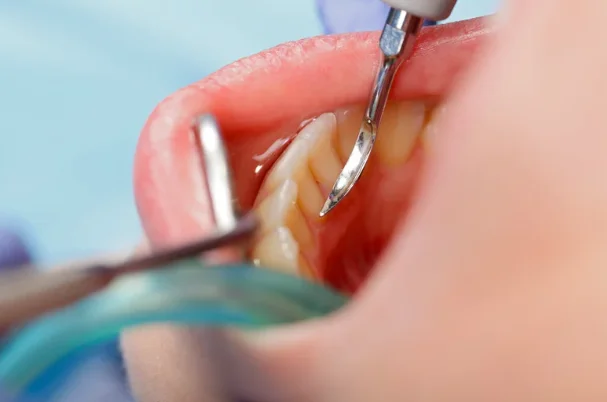
What is a dental cavity?
A cavity is a permanent hole in a tooth caused by tooth decay, which dentists call dental caries. It starts with plaque, the sticky film of bacteria on your teeth. The bacteria feed on sugars from food and drinks and produce acid, and that acid slowly dissolves the enamel. Tooth decay is common: about 1 in 3 Australian adults over 15 has decay that has not been treated. The earlier a cavity is found, the smaller and simpler the fix, which is why knowing what to look for matters.
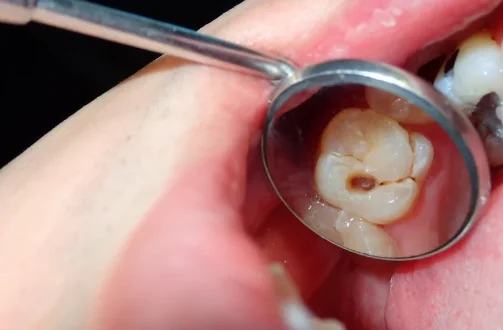
What does a dental cavity look like?
It depends on the stage. The earliest sign is a chalky, dull white spot on the enamel, often near the gum line. As tooth decay progresses, the area may become white, brown, grey or darker in colour, and eventually a cavity or visible hole may form. However, colour alone cannot tell you whether a tooth has decay. Dark lines or spots can also be staining, particularly in the grooves of back teeth.
Cavities most often appear in the deep grooves of the back teeth, between teeth, near the gum line, and around the edges of old fillings. A cavity between two teeth or under the surface can look like nothing at all. Many cavities are invisible to the eye, which is why dentists confirm them with an examination and X-rays rather than a glance in the mirror.
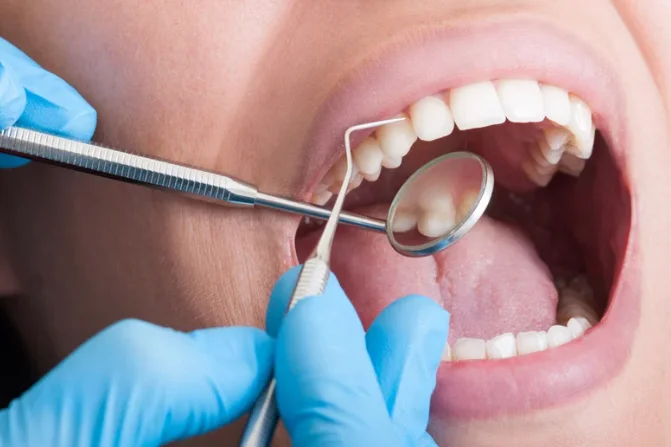
Where do cavities usually form?
Cavities can develop in several areas, including:
- The grooves and pits of back teeth, where food and plaque can collect
- Between teeth, where a cavity may not be visible in a mirror
- Near the gum line, where plaque can build up
- Around the edges of existing fillings or other restorations
What are the stages of tooth decay?
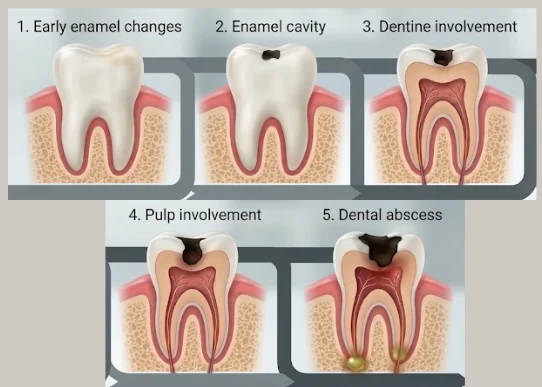
Tooth decay can progress from early enamel changes to a cavity, deeper decay and, in some cases, infection. While tooth decay does not always follow the same path, we explain it here in five stages to show how it can develop, what you may notice and how treatment may vary.
| Stage | What it may look like | What you may notice | Possible treatment |
|---|---|---|---|
| 1. Early demineralisation | Chalky white or dull white spots on the enamel | Usually no symptoms | Fluoride and improved oral care may help stop or reverse early decay before a cavity forms |
| 2. Enamel decay | A white, brown or darker area; the enamel may develop a small cavity or hole | Often no symptoms | Fluoride/preventive care may be suitable if the surface is intact; a filling may be needed if a cavity has formed |
| 3. Dentine decay | A deeper or larger cavity that may appear brown, grey or dark | Sensitivity to hot, cold or sweet foods and drinks may occur; food may catch in the cavity | A filling or other restoration may be recommended, depending on the size and extent of the damage |
| 4. Pulp involvement | A deep cavity; the tooth may sometimes become darker | Toothache or sensitivity may occur, but there may be few or no symptoms at first | Root canal treatment may help save the tooth; extraction may be needed if the tooth cannot be restored |
| 5. Dental abscess | Swelling or a pus-filled bump may form near the tooth or gum; the tooth may be damaged or discoloured | Toothache, tenderness, swelling, bad taste or fever may occur | Prompt dental treatment; drainage, root canal treatment or extraction may be needed |

What does a cavity feel like?
You may notice sensitivity to sweet foods or hot and cold drinks, discomfort when biting, food repeatedly getting caught in the same area, or a rough edge that you can feel with your tongue. Some cavities cause no symptoms at all. In fact, early tooth decay is often painless. Pain is a late sign, not an early one, so no pain does not mean no cavity.

Can a cavity look like a stain?
Not every dark spot on a tooth is a cavity. Staining can collect in the grooves of back teeth or around existing fillings, while tooth decay can also cause brown, grey or black areas. It is not always possible to tell the difference by looking at the tooth alone. If a mark is new, changing or accompanied by sensitivity or food getting trapped, a dental examination can help determine what is causing it.

How do dentists find and treat cavities?
During a dental examination, your dentist will look for visible signs of decay and assess areas that may be difficult to see directly. Depending on your symptoms, dental history and risk of decay, they may recommend dental X-rays to check for decay between teeth or beneath the surface. Treatment depends on how advanced the decay is. Early non-cavitated decay may be managed with fluoride and preventive care. Once a cavity has formed, your dentist may recommend a dental filling or another restoration. If decay has reached the pulp inside the tooth, root canal treatment may be considered to save the tooth.

How much does it cost to treat a cavity in Melbourne?
The actual cost depends on the size and location of the cavity, the type of restoration required and whether additional treatment is needed.
| Treatment | When it is needed | Cost at MC Dental |
|---|---|---|
| Check-up and clean | Finding and preventing cavities | From $226 |
| Composite filling | A cavity in the enamel or dentine | From $211 per tooth (tooth filling cost details) |
| Root canal treatment | Decay that has reached the nerve | From $1200 |
In MC Dental, Tertiary students and pensioners without private health insurance receive 15% off the regular price. We offer HICAPS on-the-spot claiming for all major health funds, and members of our preferred provider health funds receive the maximum rebate. Zip Pay and Afterpay are also available.

How do I prevent cavities?
Cavity prevention is plaque control. Brush twice a day with fluoride toothpaste, clean between your teeth daily, limit sugary snacks and soft drinks, and drink tap water, where available, as fluoridated water can help protect teeth against decay. Our guide on how to remove plaque from teeth covers the full routine. Then have regular dental check-ups at the interval recommended by your dentist, usually every 6 -12 months. Regular check-ups can help your dentist identify tooth decay earlier, before it becomes more extensive.
6 dental clinics, open 7 days (6 Days for Brighton)
Book Your Cavity Appointment
Stop cavities in their tracks and restore your smile. With six locations across Melbourne, quality care is always nearby.
Phone the clinic on
(03) 8608 8968.
Or select a Melbourne clinic below to book a dental appointment.
FAQ – Dental Cavity
Usually not. Decay between teeth can be difficult to see with the naked eye or a mirror. Your dentist may use dental X-rays, along with an examination, to check for decay in these hard-to-see areas.
Not necessarily. Black or dark lines in the grooves of back teeth can be staining, but they can also be a sign of tooth decay. Because it is difficult to tell the difference just by looking, your dentist can check the area and recommend an X-ray if needed.
It can be an early sign of tooth decay. At this stage, the enamel is losing minerals but has not yet formed a hole. Fluoride and good oral care can help stop or reverse early decay before a cavity develops.
Cavities can be painless, especially in their early stages. Enamel does not contain nerves, so you may not notice decay until it reaches deeper layers of the tooth. This is why regular dental check-ups can help detect cavities before they cause pain or become more extensive.
Yes. Children can get cavities, including in baby teeth. Baby teeth have thinner enamel than adult teeth, so decay can progress relatively quickly. Whether a cavity needs treatment and what treatment is appropriate depends on the child’s age, the tooth involved, how advanced the decay is and how close the tooth is to being naturally lost. Your child’s dentist can recommend the appropriate approach.
Yes. A cavity can cause sensitivity, especially as decay gets deeper and reaches the dentine beneath the enamel. You may notice a sharp or brief sensation when eating or drinking something hot, cold or sweet. Sensitivity can have other causes too, so if it is persistent, worsening or affecting the same tooth repeatedly, see your dentist to find out what is causing it.
If you think you may have a cavity, MC Dental provides dental examinations and treatment at six Melbourne locations: Melbourne Central in the CBD, Docklands, Westfield Doncaster, Glen Waverley, Brighton and Highpoint in Maribyrnong. Our dentists can assess visible tooth decay, investigate symptoms and recommend appropriate treatment based on what they find.
MC Dental clinics are open seven days a week, with Brighton open six days.