%20%20--%3E%3Csvg%20version=%221.1%22%20id=%22Layer_1%22%20xmlns=%22http://www.w3.org/2000/svg%22%20xmlns:xlink=%22http://www.w3.org/1999/xlink%22%20x=%220px%22%20y=%220px%22%20viewBox=%220%200%20790.1%20133.2%22%20style=%22enable-background:new%200%200%20790.1%20133.2;%22%20xml:space=%22preserve%22%3E%3Cstyle%20type=%22text/css%22%3E.Arched_x0020_Green%7Bfill:url(%23SVGID_1_);stroke:%23FFFFFF;stroke-width:0.25;stroke-miterlimit:1;%7D.st0%7Bfill:%232E3192;%7D.st1%7Bfill:%23297569;%7D%3C/style%3E%3ClinearGradient%20id=%22SVGID_1_%22%20gradientUnits=%22userSpaceOnUse%22%20x1=%22-14.8232%22%20y1=%22292.2134%22%20x2=%22-14.1161%22%20y2=%22291.5063%22%3E%3Cstop%20%20offset=%220%22%20style=%22stop-color:%2320AC4B%22/%3E%3Cstop%20%20offset=%220.9831%22%20style=%22stop-color:%2319361A%22/%3E%3C/linearGradient%3E%3Cpath%20class=%22st0%22%20d=%22M18.4,64.4C11.2,86,7,104.6,7,104.6s1.7-5.2,4.5-13.3C20.9,64.5,43.8,6,63.2,4.9c25.2-1.3,51.7,23.8,51.7,23.8S93.9,0.6,62.3,0c-9.4-0.2-18,8.9-25.6,21.8C19.6,17.7,6.2,19,1.6,26.7C-3.4,35.3,3.6,49.6,18.4,64.4z%20M15,31.5c2.9-4.8,9.9-6.6,19.4-5.6c-4.7,8.7-8.9,18.8-12.6,28.7C14.6,45.4,11.8,37,15,31.5z%22/%3E%3Cpath%20class=%22st0%22%20d=%22M247,53.9c-2.2-0.3-6.8-0.5-13.8-0.5c-10,0-17,3.6-21,10.9c-2.6-4.9-6.4-8-11.4-9.5c-3.1-0.9-8.1-1.4-15.1-1.4c-17.9,0-26.8,9.3-26.8,27.9v29.3h8.7l0.1-29.5c0-7.4,1.8-12.5,5.3-15.3c3.2-2.6,8.5-3.9,16.1-3.9c7.4,0,12.5,2.1,15.2,6.3c2.2,3.3,3.3,8.9,3.3,16.8v25.6h9.1v-25c0-8.6,1.3-14.6,4-18c3-3.9,8.7-5.8,17-5.8c12.9,0,19.3,6.4,19.3,19.3l0.1,29.5h8.7V81.3C265.8,65.1,259.5,56,247,53.9z%22/%3E%3Cpath%20class=%22st0%22%20d=%22M328.3,100.3c-1.9,0.8-5.2,1.1-9.8,1.1h-16.4c-5.3,0-9-0.6-11.3-1.8c-2.2-1.2-3.6-3.3-4.2-6.2c-0.4-1.9-0.6-5.8-0.6-11.7c0-8,0.8-13.1,2.4-15.2c2.1-2.8,6.9-4.2,14.6-4.2h15.4c9.7,0,14.6,2.8,14.5,8.5h10c0-7.3-2.3-12.3-7-14.9c-3.4-2-9.2-2.9-17.2-2.9H303c-7.9,0-13.7,0.9-17.5,2.8c-3.8,1.8-6.3,5-7.6,9.4c-1.1,3.6-1.6,9.5-1.6,17.7c0,10.8,1.5,18,4.6,21.6c3.4,4.1,10.4,6.1,21.1,6.1h16.9c8.2,0,13.9-0.9,17.2-2.8c4.6-2.6,6.9-7.7,6.9-15.2h-10C333.1,96.5,331.5,99.1,328.3,100.3z%22/%3E%3Cpath%20class=%22st0%22%20d=%22M430,57.1c-3.7-2.4-9.6-3.7-17.6-3.7h-38.9v57.2h40.3c9.4,0,15.8-1.8,19.1-5.5c3.1-3.4,4.6-9.8,4.6-19.4c0-8.6-0.3-14.6-1-17.9C435.5,62.8,433.3,59.2,430,57.1z%20M427.8,85.5c0,6.7-0.8,11.1-2.5,13.1c-2,2.3-6.2,3.4-12.7,3.4h-29.2V62h28.5c6.4,0,10.6,1.1,12.8,3.4c2.2,2.2,3.2,6.5,3.2,12.9V85.5z%22/%3E%3Cpath%20class=%22st0%22%20d=%22M501.9,101.1c-2.1,0.6-6.8,1-14,1h-12c-7.9,0-12.9-0.8-15.1-2.4c-2.8-2-4.1-6.8-4.1-14.4h38.8v-8.3h-38.8c0.1-6.7,1.5-11,4.3-12.8c2.3-1.5,7.3-2.2,15.1-2.2h11.7c7,0,11.6,0.3,13.9,1c3.5,1.1,5.2,3.5,5.2,7.1h9.2c0-5.7-2.1-9.8-6.2-12.5c-4.4-2.9-11.7-4.3-21.7-4.3h-12.7c-8.4,0-14.5,0.8-18.2,2.4c-3.9,1.6-6.6,4.6-7.9,9c-1.2,3.7-1.8,9.8-1.8,18.4c0,8,0.7,13.8,2,17.5c1.5,4,4.3,6.7,8.2,8.2c3.7,1.4,9.5,2,17.5,2h12.7c10.6,0,17.6-0.9,21.2-2.6c4.7-2.2,7.1-7,7.1-14.3H507C507.1,97.6,505.4,100,501.9,101.1z%22/%3E%3Cpath%20class=%22st0%22%20d=%22M588.7,110.6V77.5c0-7.8-2.2-13.8-6.6-17.9c-4.4-4.1-10.6-6.2-18.5-6.2h-12c-7.9,0-14,2.1-18.5,6.2c-4.4,4.1-6.6,10.1-6.6,17.9v33.1h9.7V76.2c0-4.5,1.4-8,4.2-10.6c2.8-2.5,6.5-3.8,11.1-3.8h12c4.6,0,8.3,1.3,11.2,3.8c2.8,2.5,4.2,6.1,4.2,10.6v34.4H588.7z%22/%3E%3Cpolygon%20class=%22st0%22%20points=%22596.1,62.1%20621.8,62.1%20621.8,110.6%20631.5,110.6%20631.5,62.1%20657.3,62.1%20657.3,53.4%20596.1,53.4%20%22/%3E%3Cpath%20class=%22st0%22%20d=%22M704.6,53.4h-14.5c-9.7,0-16.4,1.4-19.8,4.2c-4,3.2-6,9.5-6,19v34h9.7V85.4h46.7v25.2h9.7v-34c0-9.4-2-15.7-6.1-18.9C720.7,54.8,714.2,53.4,704.6,53.4z%20M674,76.7c0.1-6.4,1.4-10.5,4-12.3c2.1-1.5,6.5-2.3,13.4-2.3h11.7c7,0,11.5,0.7,13.6,2.2c2.6,1.8,4,5.9,4,12.4H674z%22/%3E%3Cpolygon%20class=%22st0%22%20points=%22790.1,101.9%20751.4,101.9%20751.4,53.4%20741.6,53.4%20741.6,110.6%20790.1,110.6%20%22/%3E%3Cpath%20class=%22st0%22%20d=%22M86.7,96.7C68.1,91,61.9,85.8,60.3,89c-1.7,3.3,2.4,7.8,19.6,14.5c-13.3,12.7-25.2,20.7-27.1,18.1c-4.7-6.8,12.9-29.2-1.6-39.3C36.8,72,16.6,113.1,6.6,111.3c11,9,32.9-29.6,41.4-21.9c8.4,7.7-10.6,37.4-1.9,43.5c3.9,2.7,21.5-9.8,38.6-27.5c22.5,7.8,41,7.8,46.5-1.5c5.1-8.6-2-23-16.9-37.8c5.9-11.6,8.5-22.7,4.9-31.2C123,51.9,104.9,77.6,86.7,96.7z%20M120.6,94.3c-3.7,6.2-14.3,7.3-28,4.1c-0.4-0.1-0.7-0.3-1.2-0.4c8-9,15.5-18.9,20.9-28.5C120.6,79.4,124,88.5,120.6,94.3z%22/%3E%3Cpath%20class=%22st1%22%20d=%22M114.4,37.1c0,0-10.8,0.7-29-8.4c-18.3-9.1-22.1-20-22.1-20s11.5,10.2,24,16.9C99.7,32.3,114.4,37.1,114.4,37.1z%22/%3E%3C/svg%3E "MC Dental Logo")







Removes the pain, not the tooth
Root Canal Cost & Treatment in Melbourne
A root canal preserves your natural smile without needing an extraction.When your dentist mentions you need a root canal, two questions hit immediately: “How much will this hurt?” and “How much will this cost?” Modern root canal treatment is far less painful than its reputation suggests, and knowing root canal Melbourne cost upfront helps you plan without financial stress.
This guide covers essential you need to know:
- What a root canal is
- Before and after a root canal treatment
- What’s included in treatment step by step
- Root canal treatment cost
- Your alternatives to root canal treatment
- Answers to the most common questions that patients ask

What Is a Root Canal?
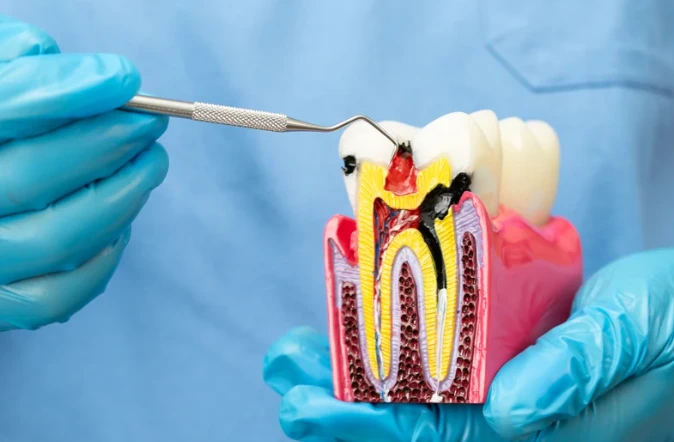
A root canal treats infected or damaged tooth pulp — the inner space containing nerves, blood vessels, and connective tissue. When infection occurs due to deep decay, cracks, or trauma, it may cause pain or sensitivity, although in some cases, the nerve can become infected without noticeable pain. Root canal treatment removes the infected pulp, thoroughly cleans and disinfects the space, then seals it to save your natural tooth from extraction.
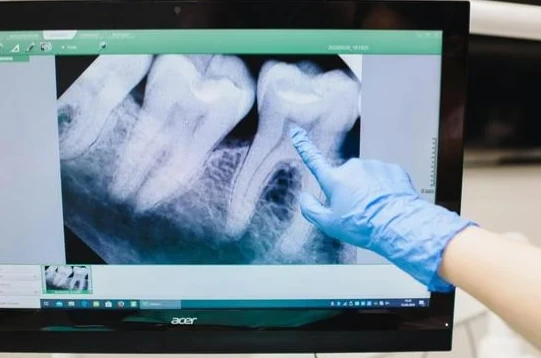
Before and After: What to Expect
Signs You Need a Root Canal
- Severe or persistent tooth pain, especially when chewing
- Prolonged sensitivity to hot or cold that lingers after the stimulus is removed
- Swollen, tender, or darkened gums near the tooth
- Small pimple-like bump on the gums (dental abscess)
- Tooth discoloration or darkening
After Root Canal Treatment
- Significant pain relief within 24-48 hours (the infection pain is gone)
- Mild tenderness for 2-3 days, easily managed with paracetamol or ibuprofen
- Some sensitivity when biting for the first week
- You can drive immediately and return to normal activities
- Most patients return to work the same day

How Long Does Root Canal Treatment Take?
Single appointment time:
Most root canals are completed in 60-120 minutes, depending on the complexity of the tooth. Modern techniques and equipment allow experienced dentists to complete treatment in a single visit for many cases.
Complete treatment timeline:
- Root canal treatment is typically completed over multiple visits, often 2 – 4 appointments, depending on the complexity of the infection and the tooth involved. After the root canal is completed, a final restoration is required to seal and protect the tooth. This may be a filling or, in some cases, a crown if additional strength is needed.
- Crown preparation and placement typically adds another 2-3 weeks
- Total timeline: 4-6 weeks from initial consultation to final crown placement
- Actual chair time: approximately 2.5-4 hours across all appointments
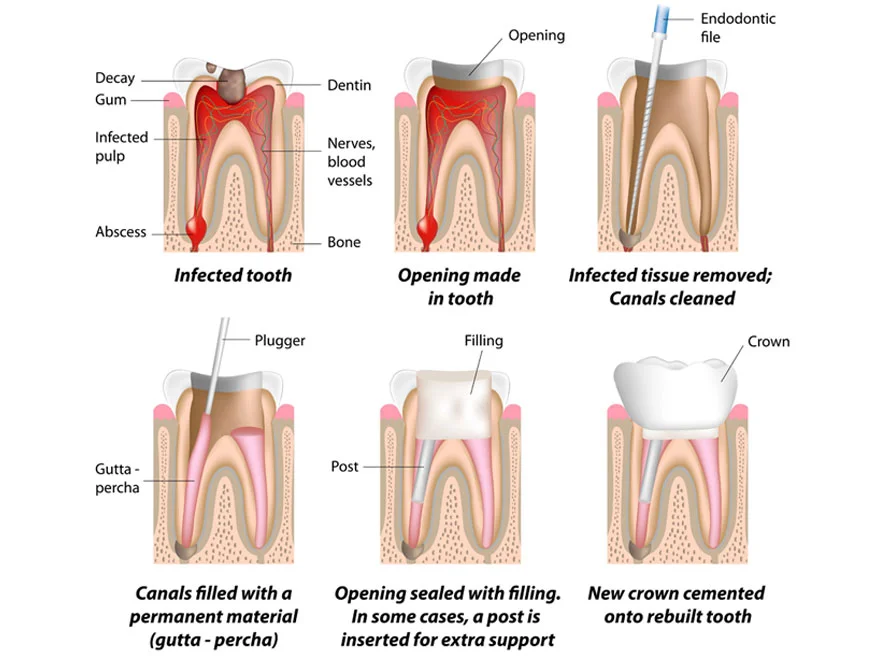
Step-by-Step: What Happens During Your Root Canal Treatment
Modern root canal treatment follows a systematic approach:
- Diagnosis and anesthesia – Diagnosis involves a clinical examination, dental X-rays to identify the infected pulp and extent of infection, and, where needed, vitality testing to assess the health of the tooth’s nerve. Local anesthetic ensures complete comfort throughout the procedure.
- Accessing the infection – A small opening is made in the tooth’s crown to reach the infected pulp chamber.
- Cleaning and shaping – Specialised endodontic files remove infected tissue and nerves from the canals. This is the most critical step, requiring precision and thoroughness.
- Filling the canals – Cleaned canals are filled with gutta-percha (a biocompatible rubber-like material) and sealed with a plugger to prevent reinfection.
- Sealing the opening – A filling is placed to seal the access opening. In some cases, a post may be inserted for extra support.
- Crown placement – A permanent crown is cemented onto the rebuilt tooth to protect it and restore full function.
What are Root Canal Prices in Melbourne
Root canal treatment in Melbourne typically costs between $1,200 and $3,400 for the procedure itself. The total cost varies based on which tooth is affected, the complexity of your case, and the experience of your dental practice.
While some clinics advertise a bit lower starting prices, these typically apply only to simple front teeth with single roots. Most patients require treatment on premolars or molars, which have multiple canals and more complex anatomy, making $1,200-$3,400 the realistic range you’ll encounter.,
Important note: These prices are for the root canal procedure. Most teeth also need a protective crown afterward for long-term durability, which is an additional cost to consider when budgeting for complete treatment.

Why Root Canal Costs Vary?
Root canal treatment is not a one-size-fits-all procedure. The cost can vary depending on the tooth involved and how complex the treatment is for that particular case.
Which Tooth Needs Treatment
The position and type of tooth play an important role in determining the cost. Front teeth usually have a single canal and are generally simpler to treat. Premolars often have one or two canals, while molars can have three or four canals with more complex and curved anatomy.
As root canal treatment is most commonly required for premolars and molars — the teeth responsible for heavy chewing and more prone to decay – most treatments fall within the $1,200–$3,400 range.
Treatment complexity
No two teeth are exactly the same, and some root canal treatments may take longer or involve more than one visit. This can happen when the canals are particularly fine, curved, or harder to identify, or when an infection has been present for a longer period of time.
Teeth that have had previous dental treatment may also require more careful planning to ensure proper access and sealing. Your dentist will talk you through their findings and outline the recommended treatment and costs before any work begins.

Insurance Coverage in Melbourne
Some private health insurance plans with major dental extras cover 50-80% of root canal costs after your deductible. For example, if your treatment costs $1,800 and your fund covers 60%, your out-of-pocket expense would be approximately $720.
Important insurance considerations:
- Annual maximums typically limit coverage to $1,000-$2,000 per year
- New policies usually have 6-12 month waiting periods for major dental procedures
- Item codes for root canals: 415 – 418 (based on number of canals treated)
- Some funds require pre-authorisation before treatment
It’s always recommended to call your health fund with the specific item codes to get an exact quote on out-of-pocket costs.
Root Canal vs. Extraction: The Real Cost
A tooth extraction might seem like the simpler, cheaper option initially. However, losing a tooth creates new problems that require costly solutions later on.
When a tooth is removed, you’ll need to replace it to maintain proper function, prevent neighboring teeth from shifting, and preserve your jawbone health.
Tooth replacement options:
- Dental implant: Most durable and natural-feeling option, but requires surgery and is the most expensive replacement method
- Dental bridge: Fixed solution that requires permanently altering adjacent healthy teeth to support the replacement
- Partial denture: Removable appliance that’s less stable, requires regular adjustment, and can be uncomfortable
The hidden costs of extraction:
- Initial extraction procedure
- Tooth replacement (essential for proper tooth function)
- Potential bone grafting if implant is delayed
- Possible complications from shifting teeth
- Ongoing maintenance and adjustments
When you consider the complete picture, root canal treatment is more economical. You save your natural tooth, avoid replacement costs, and maintain your natural bite and jawbone structure. Even with a protective crown, preserving your natural tooth remains the most cost-effective long-term solution.

Making Root Canal Treatment Affordable
Payment Plans and Financing
Most Melbourne dental practices offer flexible payment options, for example, MC Dental provides Afterpay and Zip Pay, you can split payment for spreading costs over time.
Choosing Quality Care
While price matters, the cheapest option isn’t always the best value. A failed root canal requiring retreatment or extraction costs significantly more in the long run. Look for:
- Experienced dentists with strong patient reviews
- Modern equipment (digital x-rays, rotary endodontic instruments, magnification)
- Clear, transparent pricing with no hidden fees

Preventing Root Canals
The best way to avoid root canal costs is prevention:
- Regular 6-month check-ups catch decay early
- Treat cavities promptly before bacteria penetrate deep enough to reach the pulp
- Wear mouthguards during sports to prevent tooth trauma
- Maintain good oral hygiene – brush twice daily with fluoride toothpaste and floss daily
- Address sensitivity early – don’t ignore warning signs until they become infections
- Avoid chewing ice or hard objects which can crack teeth
6 dental clinics, open 7 days (6 for Brighton)
Book an Appointment for Root Canal Treatment
With six locations across Melbourne, quality dental care is always nearby.
Phone the clinic on
(03) 8608 8968.
Or select a Melbourne clinic below to book an root canal appointment.
FAQ – Root Canal Cost Melbourne
Most root canal treatments in Melbourne cost between $1,200 and $3,400 for the procedure. A protective crown is usually required afterward, which adds to the total cost. The exact price depends on which tooth is treated and the complexity of the case.
No. Modern root canal treatment is no more uncomfortable than getting a filling. Effective local anesthesia ensures you feel no pain during the procedure. Most patients experience significant relief from infection pain immediately. Mild tenderness for 2–3 days afterward is normal and can be easily managed with over-the-counter pain medication.
Root canal treatment removes the tooth’s blood supply, which can make it more brittle and prone to fracture. A crown helps protect the tooth from breaking under normal chewing forces. Without a crown, there is a significant risk of the tooth cracking, which could result in losing it entirely, even after investing in the root canal treatment.
With proper care and a protective crown, a root canal can last a lifetime, with success rates exceeding 95%. The key is maintaining good oral hygiene, attending regular six-month dental check-ups, and following your dentist’s care instructions.
Common signs may include severe tooth pain when chewing, prolonged sensitivity to hot or cold, tender or swollen gums, tooth discoloration, or a persistent pimple-like bump on the gums. However, only a dentist can definitively diagnose the need for treatment through a clinical examination and x-rays.
Success depends on thorough cleaning of all canals, proper sealing to prevent reinfection, placement of a protective crown, and maintaining good oral hygiene afterward. Dentists using modern techniques and equipment achieve success rates exceeding 95%, which is why the quality of care matters just as much as the cost.
Getting Started with Root Canal Treatment
Root canal treatment in Melbourne typically costs $1,200 – $3,400 for the procedure, including diagnosis, cleaning and disinfecting the canals, and sealing the tooth. Any additional restorations are discussed separately. This investment offers a 95%+ success rate and the ability to keep your natural tooth, preventing more expensive complications down the track.
If you’re experiencing tooth pain or your dentist has recommended root canal treatment, don’t delay. Dental infections can get worse over time, becoming more complex and expensive to treat. Early intervention means simpler treatment, better outcomes, and lower costs.
When choosing a dental practice, consider experience, modern equipment, patient reviews, and transparent pricing alongside cost. Quality treatment the first time saves money, pain, and hassle compared to failed treatment requiring retreatment or extraction.
Schedule a consultation to get an accurate quote for your specific situation, understand your insurance coverage, and discuss payment options that work for your budget. Taking action now protects your oral health and prevents more serious and costly problems in the future.