%20%20--%3E%3Csvg%20version=%221.1%22%20id=%22Layer_1%22%20xmlns=%22http://www.w3.org/2000/svg%22%20xmlns:xlink=%22http://www.w3.org/1999/xlink%22%20x=%220px%22%20y=%220px%22%20viewBox=%220%200%20790.1%20133.2%22%20style=%22enable-background:new%200%200%20790.1%20133.2;%22%20xml:space=%22preserve%22%3E%3Cstyle%20type=%22text/css%22%3E.Arched_x0020_Green%7Bfill:url(%23SVGID_1_);stroke:%23FFFFFF;stroke-width:0.25;stroke-miterlimit:1;%7D.st0%7Bfill:%232E3192;%7D.st1%7Bfill:%23297569;%7D%3C/style%3E%3ClinearGradient%20id=%22SVGID_1_%22%20gradientUnits=%22userSpaceOnUse%22%20x1=%22-14.8232%22%20y1=%22292.2134%22%20x2=%22-14.1161%22%20y2=%22291.5063%22%3E%3Cstop%20%20offset=%220%22%20style=%22stop-color:%2320AC4B%22/%3E%3Cstop%20%20offset=%220.9831%22%20style=%22stop-color:%2319361A%22/%3E%3C/linearGradient%3E%3Cpath%20class=%22st0%22%20d=%22M18.4,64.4C11.2,86,7,104.6,7,104.6s1.7-5.2,4.5-13.3C20.9,64.5,43.8,6,63.2,4.9c25.2-1.3,51.7,23.8,51.7,23.8S93.9,0.6,62.3,0c-9.4-0.2-18,8.9-25.6,21.8C19.6,17.7,6.2,19,1.6,26.7C-3.4,35.3,3.6,49.6,18.4,64.4z%20M15,31.5c2.9-4.8,9.9-6.6,19.4-5.6c-4.7,8.7-8.9,18.8-12.6,28.7C14.6,45.4,11.8,37,15,31.5z%22/%3E%3Cpath%20class=%22st0%22%20d=%22M247,53.9c-2.2-0.3-6.8-0.5-13.8-0.5c-10,0-17,3.6-21,10.9c-2.6-4.9-6.4-8-11.4-9.5c-3.1-0.9-8.1-1.4-15.1-1.4c-17.9,0-26.8,9.3-26.8,27.9v29.3h8.7l0.1-29.5c0-7.4,1.8-12.5,5.3-15.3c3.2-2.6,8.5-3.9,16.1-3.9c7.4,0,12.5,2.1,15.2,6.3c2.2,3.3,3.3,8.9,3.3,16.8v25.6h9.1v-25c0-8.6,1.3-14.6,4-18c3-3.9,8.7-5.8,17-5.8c12.9,0,19.3,6.4,19.3,19.3l0.1,29.5h8.7V81.3C265.8,65.1,259.5,56,247,53.9z%22/%3E%3Cpath%20class=%22st0%22%20d=%22M328.3,100.3c-1.9,0.8-5.2,1.1-9.8,1.1h-16.4c-5.3,0-9-0.6-11.3-1.8c-2.2-1.2-3.6-3.3-4.2-6.2c-0.4-1.9-0.6-5.8-0.6-11.7c0-8,0.8-13.1,2.4-15.2c2.1-2.8,6.9-4.2,14.6-4.2h15.4c9.7,0,14.6,2.8,14.5,8.5h10c0-7.3-2.3-12.3-7-14.9c-3.4-2-9.2-2.9-17.2-2.9H303c-7.9,0-13.7,0.9-17.5,2.8c-3.8,1.8-6.3,5-7.6,9.4c-1.1,3.6-1.6,9.5-1.6,17.7c0,10.8,1.5,18,4.6,21.6c3.4,4.1,10.4,6.1,21.1,6.1h16.9c8.2,0,13.9-0.9,17.2-2.8c4.6-2.6,6.9-7.7,6.9-15.2h-10C333.1,96.5,331.5,99.1,328.3,100.3z%22/%3E%3Cpath%20class=%22st0%22%20d=%22M430,57.1c-3.7-2.4-9.6-3.7-17.6-3.7h-38.9v57.2h40.3c9.4,0,15.8-1.8,19.1-5.5c3.1-3.4,4.6-9.8,4.6-19.4c0-8.6-0.3-14.6-1-17.9C435.5,62.8,433.3,59.2,430,57.1z%20M427.8,85.5c0,6.7-0.8,11.1-2.5,13.1c-2,2.3-6.2,3.4-12.7,3.4h-29.2V62h28.5c6.4,0,10.6,1.1,12.8,3.4c2.2,2.2,3.2,6.5,3.2,12.9V85.5z%22/%3E%3Cpath%20class=%22st0%22%20d=%22M501.9,101.1c-2.1,0.6-6.8,1-14,1h-12c-7.9,0-12.9-0.8-15.1-2.4c-2.8-2-4.1-6.8-4.1-14.4h38.8v-8.3h-38.8c0.1-6.7,1.5-11,4.3-12.8c2.3-1.5,7.3-2.2,15.1-2.2h11.7c7,0,11.6,0.3,13.9,1c3.5,1.1,5.2,3.5,5.2,7.1h9.2c0-5.7-2.1-9.8-6.2-12.5c-4.4-2.9-11.7-4.3-21.7-4.3h-12.7c-8.4,0-14.5,0.8-18.2,2.4c-3.9,1.6-6.6,4.6-7.9,9c-1.2,3.7-1.8,9.8-1.8,18.4c0,8,0.7,13.8,2,17.5c1.5,4,4.3,6.7,8.2,8.2c3.7,1.4,9.5,2,17.5,2h12.7c10.6,0,17.6-0.9,21.2-2.6c4.7-2.2,7.1-7,7.1-14.3H507C507.1,97.6,505.4,100,501.9,101.1z%22/%3E%3Cpath%20class=%22st0%22%20d=%22M588.7,110.6V77.5c0-7.8-2.2-13.8-6.6-17.9c-4.4-4.1-10.6-6.2-18.5-6.2h-12c-7.9,0-14,2.1-18.5,6.2c-4.4,4.1-6.6,10.1-6.6,17.9v33.1h9.7V76.2c0-4.5,1.4-8,4.2-10.6c2.8-2.5,6.5-3.8,11.1-3.8h12c4.6,0,8.3,1.3,11.2,3.8c2.8,2.5,4.2,6.1,4.2,10.6v34.4H588.7z%22/%3E%3Cpolygon%20class=%22st0%22%20points=%22596.1,62.1%20621.8,62.1%20621.8,110.6%20631.5,110.6%20631.5,62.1%20657.3,62.1%20657.3,53.4%20596.1,53.4%20%22/%3E%3Cpath%20class=%22st0%22%20d=%22M704.6,53.4h-14.5c-9.7,0-16.4,1.4-19.8,4.2c-4,3.2-6,9.5-6,19v34h9.7V85.4h46.7v25.2h9.7v-34c0-9.4-2-15.7-6.1-18.9C720.7,54.8,714.2,53.4,704.6,53.4z%20M674,76.7c0.1-6.4,1.4-10.5,4-12.3c2.1-1.5,6.5-2.3,13.4-2.3h11.7c7,0,11.5,0.7,13.6,2.2c2.6,1.8,4,5.9,4,12.4H674z%22/%3E%3Cpolygon%20class=%22st0%22%20points=%22790.1,101.9%20751.4,101.9%20751.4,53.4%20741.6,53.4%20741.6,110.6%20790.1,110.6%20%22/%3E%3Cpath%20class=%22st0%22%20d=%22M86.7,96.7C68.1,91,61.9,85.8,60.3,89c-1.7,3.3,2.4,7.8,19.6,14.5c-13.3,12.7-25.2,20.7-27.1,18.1c-4.7-6.8,12.9-29.2-1.6-39.3C36.8,72,16.6,113.1,6.6,111.3c11,9,32.9-29.6,41.4-21.9c8.4,7.7-10.6,37.4-1.9,43.5c3.9,2.7,21.5-9.8,38.6-27.5c22.5,7.8,41,7.8,46.5-1.5c5.1-8.6-2-23-16.9-37.8c5.9-11.6,8.5-22.7,4.9-31.2C123,51.9,104.9,77.6,86.7,96.7z%20M120.6,94.3c-3.7,6.2-14.3,7.3-28,4.1c-0.4-0.1-0.7-0.3-1.2-0.4c8-9,15.5-18.9,20.9-28.5C120.6,79.4,124,88.5,120.6,94.3z%22/%3E%3Cpath%20class=%22st1%22%20d=%22M114.4,37.1c0,0-10.8,0.7-29-8.4c-18.3-9.1-22.1-20-22.1-20s11.5,10.2,24,16.9C99.7,32.3,114.4,37.1,114.4,37.1z%22/%3E%3C/svg%3E "MC Dental Logo")






versatile and affordable solution to transform your smile
Composite Bonding
At MC Dental, we use composite bonding to repair chips, close gaps, and reshape teeth quickly and affordably. With six convenient locations across Melbourne, our experienced dentists create natural-looking results that can boost your confidence in just one visit. Whether you need a minor repair or want to enhance multiple teeth, we offer personalised solutions tailored to your goals. In this guide, we answer the questions Melbourne patients ask most:
- What is composite bonding and how can it help?
- How does composite bonding compare to veneers?
- What does composite bonding cost in Melbourne?
- How long does composite bonding last?
- Why choose MC Dental for your composite bonding?

What is Composite Bonding?
Composite bonding (also called dental bonding) is a cosmetic dental treatment where tooth-coloured resin material is carefully applied to your teeth to improve their appearance and function. The resin is sculpted directly onto your tooth surface, hardened with a special curing light, then polished to blend seamlessly with your natural teeth.
This minimally invasive procedure can address multiple aesthetic concerns in a single appointment, making it a popular choice for patients seeking immediate smile improvements without extensive dental work.

Who Should Consider Composite Bonding?
Composite bonding works well for patients who:
- Have one or more chipped, cracked, or broken teeth from injury or normal wear
- Feel self-conscious about gaps between their teeth
- Want to improve the shape, size, or colour of specific teeth
- Prefer a conservative treatment that helps prevent further damage
- Seek immediate results without waiting for laboratory work
- Want to try a cosmetic improvement before committing to porcelain veneers
This treatment is appropriate for most ages, including children and teenagers who have damaged teeth but may want to wait for permanent restorations until their jaw development is complete.

How Can Composite Bonding Help Your Smile?
Composite bonding is very versatile and can correct various dental concerns:
Repair chips and cracks
Restore teeth damaged by injury or wear, rebuilding the natural tooth structure for a complete appearance.
Close gaps between teeth
Eliminate spaces between teeth without orthodontic treatment, creating a more uniform smile line.
Reshape irregular teeth
Adjust the size, shape, or length of teeth that appear too small, pointed, or uneven.
Cover discolouration
Mask stains that don’t respond well to whitening treatments, including tetracycline staining or natural discolouration.
Improve tooth alignment appearance
Create the visual effect of straighter teeth by building up and reshaping slightly crooked or overlapping teeth.
Protect exposed tooth roots
Shield sensitive areas where gums have receded, reducing discomfort and preventing further damage.

The Composite Bonding Process at MC Dental
Understanding what happens during your appointment helps you feel comfortable and confident about your treatment.
Initial Consultation and Assessment
Your dentist will examine your teeth, gums, and bite to confirm that composite bonding is appropriate for your needs. We’ll discuss your goals, show you shade options, and explain what results you can expect. This conversation ensures we’re aligned on the outcome before beginning any treatment.
Treatment Appointment
Most composite bonding treatments take 30 to 60 minutes per tooth, though this varies depending on the complexity of each individual case.
- Preparation
Your dentist cleans the tooth surface and may lightly roughen it to help the bonding material adhere properly. Local anaesthetic is rarely needed, though we can provide it if you’re treating a sensitive area. - Shade matching
We select a composite resin colour that matches your natural teeth or, if you prefer, a lighter shade for a brighter appearance. - Bonding application
A conditioning liquid is applied to help the resin bond to your tooth. Your dentist then carefully layers the composite material, sculpting it to the desired shape. - Curing
A special blue UV light hardens each layer of resin, bonding it securely to your tooth structure. - Finishing touches
Once the desired shape is achieved, your dentist trims, smooths, and polishes the bonding to ensure it feels comfortable and looks natural.
Composite bonding is often completed in a single visit, offering a relatively quick way to improve your smile.

Benefits of Composite Bonding
Completed in one visit
Most treatments require just a single appointment, giving you immediate results without multiple trips to the dentist.
Minimally invasive
Unlike veneers or crowns, composite bonding typically requires little to no removal of your natural tooth structure, preserving your enamel.
Affordable option
Composite bonding generally costs less than porcelain veneers or crowns, making smile improvements more accessible.
Natural appearance
Modern composite materials closely mimic the translucency and colour variations of natural teeth.
Can be adjusted
If needed, bonding can be repaired, added to, or removed by your dentist, though some minimal tooth surface preparation does occur during the initial application.
Versatile applications
Can address multiple concerns in one treatment, from cosmetic improvements to functional repairs.
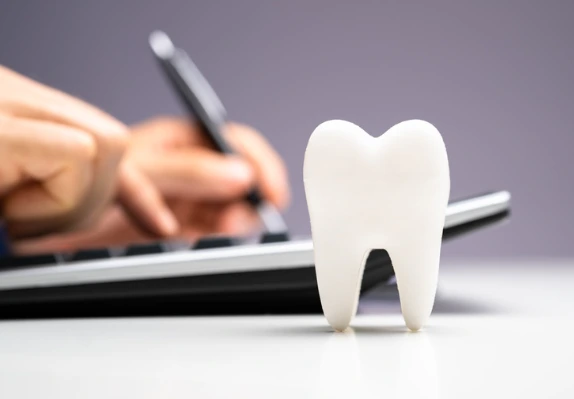
Composite Bonding Cost Melbourne
At MC Dental, composite bonding starts from $200 per tooth. The total cost of your treatment depends on several factors:
- Number of teeth being treated – Single tooth repairs cost less than full smile makeovers involving multiple teeth
- Complexity of the work – Simple chip repairs take less time than completely reshaping or resizing teeth
- Extent of preparation needed – Teeth requiring more preparation or multiple layers may take longer
Health Fund Coverage
Health fund coverage for composite bonding depends on the purpose of treatment. If the bonding addresses restorative or functional needs – such as repairing a broken tooth, protecting exposed tooth structure, or restoring proper bite function – most health funds with major dental coverage may contribute toward the cost.
However, if the treatment is purely cosmetic (improving appearance only), most health funds will not provide rebates. During your consultation, we’ll discuss whether your situation involves restorative elements that might qualify for health fund benefits.
Payment Plans
We also offer payment plans through Zip Pay or AfterPay to make treatment more manageable, allowing you to spread the cost over time with interest-free options available.

How Long Does Composite Bonding Last and How to Care for Composite Bonding
Composite bonding longevity depends significantly on individual circumstances. With proper care and maintenance, bonding may last up to 5+ years or longer. The actual lifespan varies based on your oral hygiene, diet, bite forces, tooth condition, and location in the mouth.
To maximise the lifespan of your composite, proper care daily is needed:
- Brush twice daily with non-abrasive toothpaste and floss daily
- Attend regular dental visits for polishing and monitoring
- Avoid hard foods and don’t chew on ice, fingernails, or pen caps
- Limit coffee, tea, red wine, and smoking, or use a straw for staining beverages
- Wear a mouthguard for contact sports
- Ask about a night guard if you grind your teeth
- Contact your dentist promptly if bonding chips or feels rough
Your dentist will examine your bonding at regular check-ups and suggest touch-ups or replacement when needed.
Understanding Your Options: Composite Bonding vs Composite Veneers vs Porcelain Veneers
When exploring smile enhancement options, it’s helpful to understand the differences between these three treatments. While they can all improve your smile’s appearance, they differ in application, coverage, durability, and cost.
Composite bonding applies tooth-coloured resin to specific areas of your teeth – repairing chips, closing gaps, or reshaping edges. The resin is sculpted directly onto the tooth surface in the areas that need correction.
Composite veneers use the same resin material but cover the entire front surface of the tooth. This approach can transform the overall appearance of teeth when you want more comprehensive changes across multiple teeth.
Porcelain veneers are custom-made ceramic shells fabricated in a dental lab and bonded to the front surface of your teeth. They offer the most realistic and long-lasting transformation.
Treatment Comparison Chart
| Feature | Composite Bonding | Composite Veneers | Porcelain Veneers |
|---|---|---|---|
| Coverage | Partial tooth (specific areas) | Full front tooth surface | Full front tooth surface |
| Treatment Time | Single visit (30-60 min per tooth) | Single visit (60-90 min per tooth) | Two visits (2-3 weeks apart) |
| Tooth Preparation | Minimal to none | Minimal (slight roughening) | Moderate (0.3-0.5mm enamel removal) |
| Lifespan | May up to 5+ years* | May up to 10+ years* | May up to 10-15+ years* |
| Cost Per Tooth | From $200 | $450+ | $1,600+ |
| Stain Resistance | Moderate (can stain over time) | Moderate (can stain over time) | Excellent (highly stain-resistant) |
| Repairability | Easy to repair or add to | Can be repaired or adjusted | Difficult to repair if damaged |
| Best For | Minor chips, gaps, small corrections | Reshaping multiple teeth, colour changes | Major transformations, long-term results |
* Lifespan depends on individual factors including oral hygiene, diet, bite forces, tooth condition, and care. Results vary between patients.
6 dental clinics, open 7 days (6 for Brighton)
Book Your Composite Bonding Dentist Appointment
Give your teeth the care they deserve and get your healthy smile back.
With six locations across Melbourne, trusted, quality dental care is always nearby.
Phone the clinic on
(03) 8608 8968.
Or select a Melbourne clinic below to book an emergency dental appointment.
FAQ – Composite Bonding Melbourne
Composite bonding is one of the most conservative cosmetic dental treatments. It typically requires minimal or no removal of your natural tooth structure. The tooth surface is lightly prepared to help the bonding material adhere properly. If you later decide to have the bonding removed, your natural tooth remains largely intact, though the surface may have some textural changes from the initial preparation.
Most patients experience no pain during composite bonding. Because the procedure usually requires little to no tooth preparation, anaesthetic is often unnecessary. You might feel slight pressure or sensitivity if your dentist needs to shape the tooth, but this is generally minimal. If treating a sensitive area or decay, your dentist can provide local anaesthetic for your comfort.
No, composite bonding material doesn’t respond to teeth whitening treatments. If you’re considering both bonding and whitening, it’s better to whiten your natural teeth first, then match the bonding to your new tooth shade. If your bonding becomes stained over time, your dentist can polish it during check-ups to restore some of the original lustre, or you can have the bonding replaced.
When performed by an experienced dentist, composite bonding looks very natural. The material is carefully matched to your tooth colour, and the translucency and texture are designed to blend with your natural teeth. Most people won’t be able to tell you’ve had work done, they’ll simply notice you have a great smile.
Yes, one advantage of composite bonding is that it can often be repaired without replacing the entire restoration. If a small chip occurs, your dentist can add more composite material to the affected area and reshape it. Larger chips or staining may require replacing the bonding entirely.
You can eat immediately after your appointment since the composite is fully hardened before you leave. However, you might want to start with softer foods if you received local anaesthetic, as you could accidentally bite your cheek or tongue while numb. Avoid extremely hard or sticky foods for the first 24 hours as a precaution.
Ready to Transform Your Smile in Just One Visit?
If you’re interested in learning more about composite bonding dental treatments or want to discuss whether this option is right for you, we’re here to help. Contact MC Dental to schedule a consultation at Melbourne dental clinic near you. We’ll assess your teeth, answer your questions, and create a treatment plan tailored to your needs and goals.
Book your appointment today and take the first step toward a confident smile.
Phone the clinic on
(03) 8608 8968.
or clinic the button below to book online dental appointment.